| |
|
|
| |
|
|
| |
|
|
| |
|
|
| |
|
|
| |
|
|
| |
|
|
| |
|
|
| |
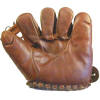 |
1930-1939 Baseball Glove
Dating Guide |
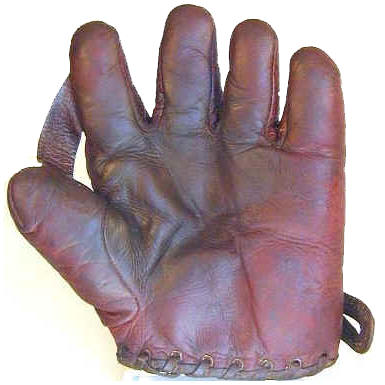
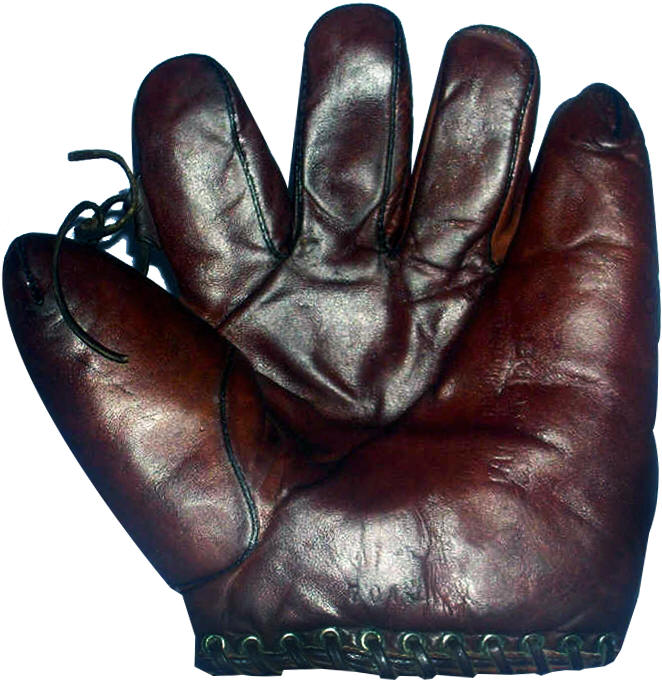
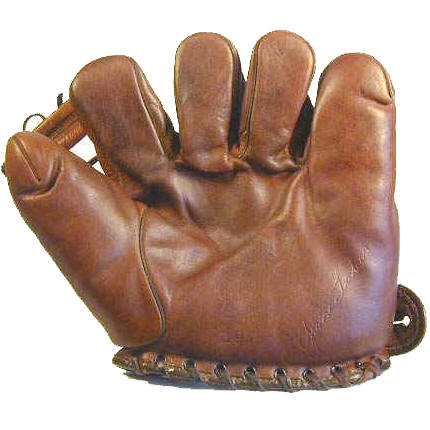
The modern web starts it's development Single, double and triple tunnel webs are followed by the H web. Experiments with laced fingers begin to emerge. |
|
|
| |
|
|
| |
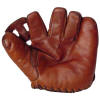 |
1940-1949 Baseball Glove
Dating Guide |
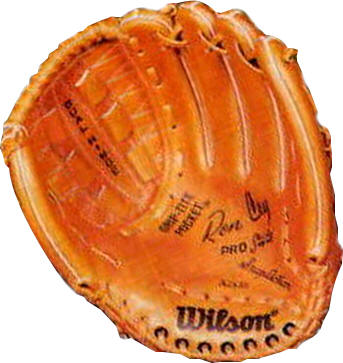
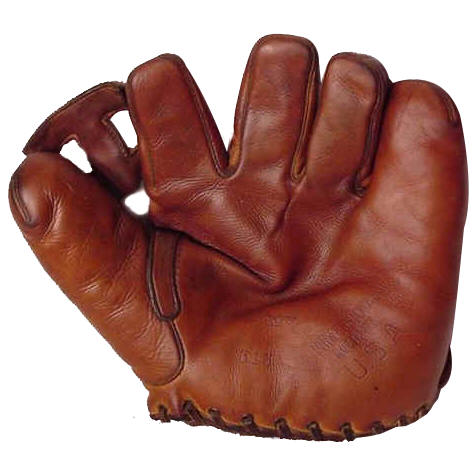
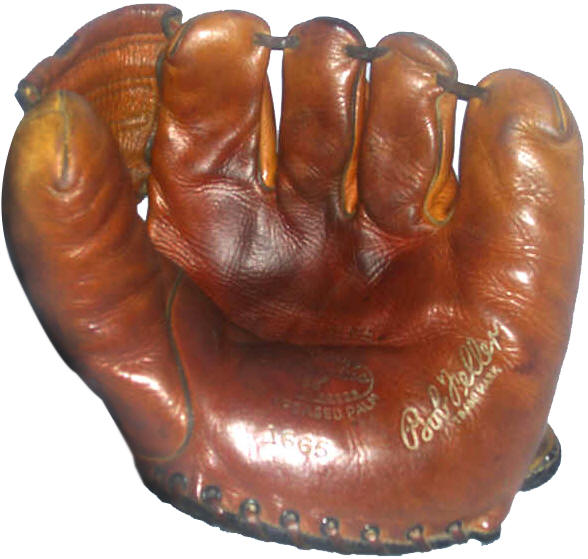
Until the late 1940's fielders gloves had no lacing between the fingers. These gloves are referred to as "Spit finger" Gloves. The transition of the split finger to laced fingered glove is more evident. |
|
|
| |
|
|
| |
|
|
| |
|
|
| |
|
|
| |
|
|
| |
|
|
| |
|
|
| |
|
|
| |
Glossary of Baseball Gloves - The most comprehensive Baseball Glove Glossary on the internet. Complete with pictures, cross reference links, and a Web Identification Chart. |
|
| |
|
|
| |
Early History on the Baseball Glove |
|
| |
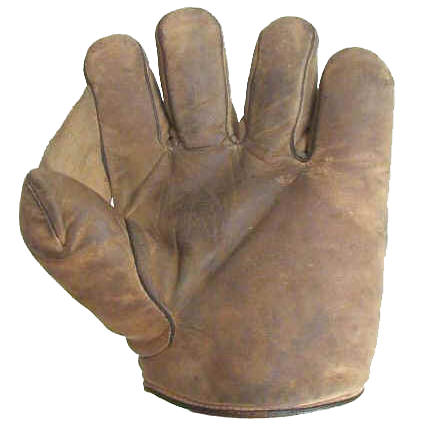
The first players to use baseball gloves were often taunted and teased as being "too soft" or "sissies" because they did not want to catch the ball with their bare hands.
The first baseball gloves were used in the 1870s. The basic idea was to create a glove that would pad and protect the players' hands and provide a cushion for catching the ball. Surprisingly, the first gloves were designed so the player could knock the ball to the ground and not necessarily catch it. History's first baseball gloves were made from pieces of leather sewn together to fit over a player's hand. Many early baseball gloves were simple leather gloves with the fingertips cut off, supposedly to allow for the same control of a bare hand, but with extra padding. The adoption of the baseball glove by baseball star Albert Spalding when he began playing first base influenced more infielders to begin using gloves. By the mid 1890s, it was the norm for players to wear gloves in the field |
|